



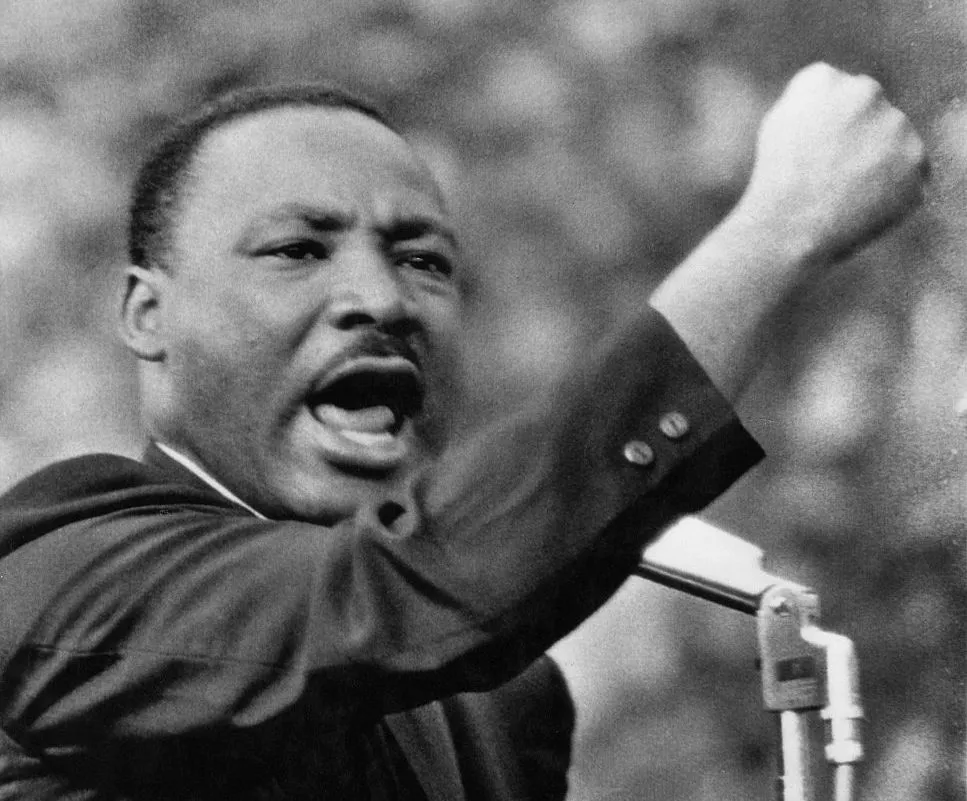
OpenAI announced on Thursday that it has suspended the option for users to create AI-generated videos depicting the late civil rights leader Martin Luther King Jr. using its video generation model, Sora. This decision came after Dr. King’s estate requested the safeguard, following reports of users creating “disrespectful depictions” of his likeness.
“While there are valid free speech interests in portraying historical figures, OpenAI believes that public figures and their families should ultimately have control over how their image is used,” the company stated in a post on X (formerly Twitter) from its official newsroom account. “Authorized representatives or estate owners can request that their likeness not appear in Sora-generated videos.”
The restriction follows only a few weeks after OpenAI launched Sora, a social video platform enabling users to generate hyper-realistic videos of historical figures, celebrities, or consenting individuals. The release quickly fueled public debate about the ethical and legal risks of AI-generated videos, and the necessary safeguards platforms should adopt to prevent misuse.
Last week, Dr. Bernice King, daughter of Martin Luther King Jr., took to Instagram urging users to stop sending her AI-generated videos depicting her father. She joined Robin Williams’ daughter, who also requested that users stop creating AI imitations of her late father.
According to The Washington Post, some users had generated offensive videos portraying Dr. King making animal noises or mock fighting with Malcolm X. A quick scroll through Sora reveals other inappropriate recreations of historical personalities like Bob Ross, Whitney Houston, and John F. Kennedy.
The representative for Dr. King’s estate has yet to comment on the matter.
The controversy around Sora doesn’t stop with depictions of real people—it also extends to copyrighted media. Many videos on the platform portray fictional characters such as SpongeBob, South Park, and Pokémon, prompting questions about how AI platforms will handle copyright enforcement in the age of synthetic media.
Since its debut, OpenAI has begun tightening Sora’s policies. Earlier in October, the company announced plans to give copyright holders more detailed control over how their likeness or works can be used in AI videos—a move likely prompted by backlash from Hollywood creators.
Interestingly, while OpenAI is imposing stricter boundaries on Sora, it’s simultaneously taking a more relaxed stance on content moderation in ChatGPT. The company recently revealed plans to allow adult users to engage in consensual erotic chats in the coming months.
The launch of Sora has clearly prompted introspection within OpenAI. Several researchers within the company expressed unease about the ethical implications of its first AI-driven social media platform, questioning how it aligns with the organization’s original nonprofit mission. CEO Sam Altman admitted feeling “trepidation” about releasing Sora to the public.
Meanwhile, Nick Turley, the head of ChatGPT, commented earlier this month that the best way to educate the public about a new technology is through direct exposure. “That’s what we learned with ChatGPT,” he said, “and it’s what we’re learning again with Sora.”
Ultimately, OpenAI appears to be navigating the complex balance between innovation and responsibility, discovering in real time how to distribute advanced AI technology ethically and safely.
Source: techcrunch.com

