



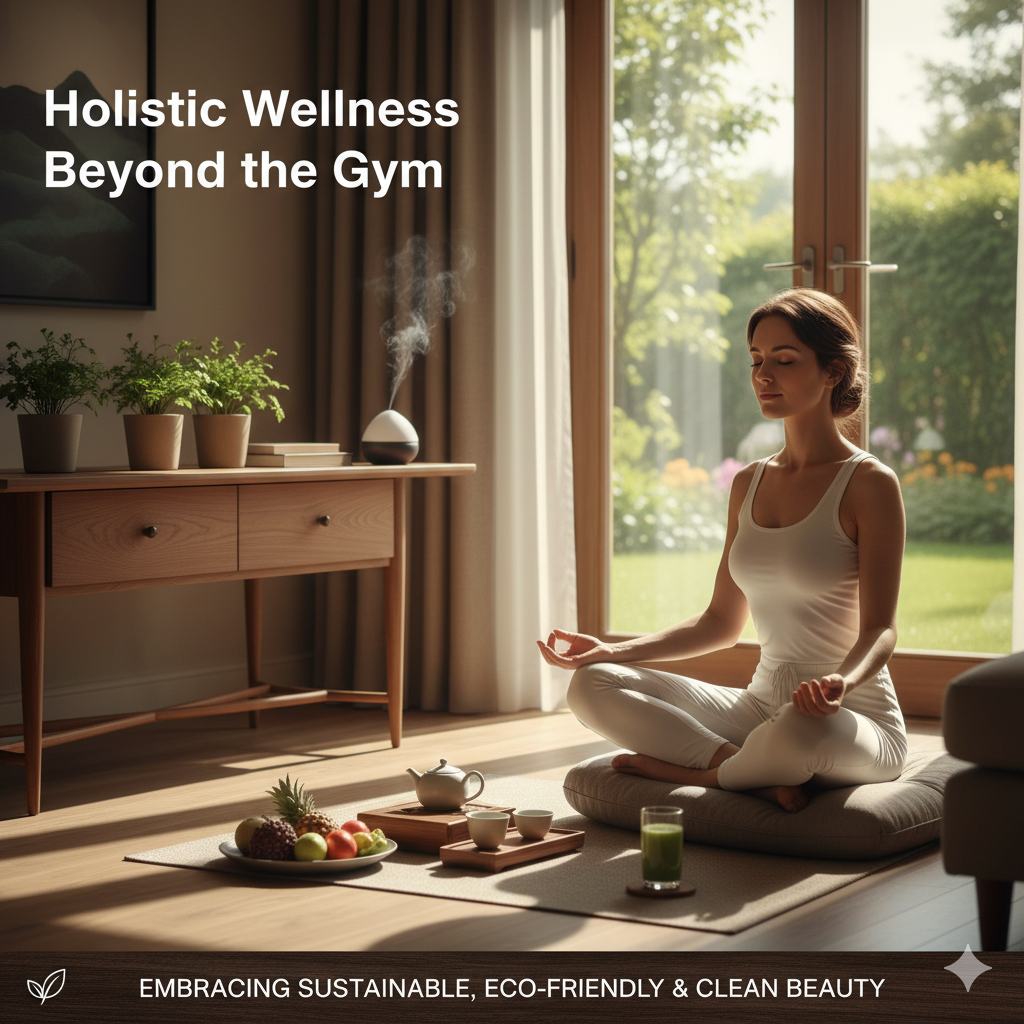
When we talk about wellness, many of us immediately picture a gym, weights, cardio machines, or fitness classes. While physical activity is a vital component of health, true holistic wellness goes far beyond the gym. It embraces mind, body, spirit, environment, and daily habits in an integrated way. In other words, to live well isn’t just to work out — it’s to cultivate a lifestyle that supports all dimensions of your wellbeing.
What is holistic wellness?
Holistic wellness refers to an approach that recognises the whole person: physical, mental, emotional, social and spiritual health are interconnected. Western Connecticut State University+2healthmanagement.org+2
It’s not simply the absence of illness, but the active pursuit of optimal health — through choices, habits, environments and relationships. Global Wellness Institute+1
Therefore, focusing solely on gym time while neglecting other areas — sleep, nutrition, stress, relationships, purpose — means you’re only raising one pillar in a multi-pillar structure.
Why it matters
- Interconnected systems: Your physical health impacts your mental health; your relationships affect your emotional health; your spiritual values influence your stress resilience. As one source puts it: when one dimension is disrupted, others suffer. ahha.org
- Sustainable wellbeing: Relying only on gym-sessions without attention to rest, recovery, environment or mindset may lead to burnout, injury or plateau. Holistic wellness promotes balance.
- Beyond appearance: Fitness often focuses on how we look; holistic wellness emphasises how we feel, how we function, how we connect. That brings deeper fulfilment and meaning.
- Real-life readiness: Daily life isn’t just about your body moving. It’s about how you handle stress, sleep through the night, nourish your relationships, create sanctuary in your home, find purpose in your work. Holistic wellness addresses that full spectrum.
Pillars of wellness beyond the gym
Here are key domains to incorporate.
Physical + movement
Yes — movement remains essential. But it doesn’t always have to be in a gym. Consider:
- Walks or hikes in nature
- Body-weight movement, stretching, mobility work
- Functional daily movement (carrying groceries, gardening)
- Prioritising sleep, hydration, nutritious food
A holistic approach to physical wellness emphasises quality, recovery, and integration rather than just “hours spent lifting or running”.
Mental & emotional wellness
- Practicing mindfulness, meditation, or simply quiet reflection helps regulate stress and improve mental clarity. BetterUp+1
- Emotional wellness is about being aware of your feelings, accepting them, expressing them, and building resilience.
- Everyday attention to your mental state — noticing if you feel drained, irritable, anxious — and responding with self-care, therapy or conversation is key.
Social & relational wellness
You are not an island. Your relationships and community matter:
- Foster meaningful connections — family, friends, community groups.
- Engagement in social activities supports emotional health and reduces isolation. healthmanagement.org
- Healthy boundaries, communication skills and social support are part of holistic wellness.
Spiritual & purpose-driven wellness
Spiritual doesn’t necessarily mean religious — it means connecting to something bigger, having meaning, values, and purpose:
- What matters to you? What legacy do you want to build?
- Practices like journaling, reflection, volunteering or being in nature support this dimension.
- Purpose adds fuel to your wellness journey beyond “look good” into “live good”.
Environmental & lifestyle wellness
How you live, work, and the environment you inhabit matter:
- Create a home/ workspace that supports rest (good light, clean air, green plants).
- Limit toxins, screen-time, negative news overload.
- Align your lifestyle with sustainability, simplicity, rhythm (e.g., rest days, weekends off).
As the wellness field emphasises: wellness involves our environments and behavioural choices, not just the individual body. Global Wellness Institute+1
Practical steps to live holistic wellness
- Start small and integrative: Choose one non-gym habit this week (e.g., 10 minutes meditation, a social catch-up, a nature walk).
- Assess across domains: Physical (am I rested? hydrated?), Emotional (how do I feel?), Social (who did I connect with?), Spiritual (did I engage meaningfully?), Environmental (is my space restful?).
- Schedule rest and recovery: Exercise is important, but so is sleep, stretching, downtime, and saying “no” sometimes.
- Nutrition as fuel: Focus on whole foods, regular meals, hydration. Recognise how food affects your mood, energy, and recovery.
- Mind-body practices: Yoga, tai chi, breathing exercises, or simply a mindful walk can support mental-emotional balance.
- Digital hygiene: Set boundaries with screens, social media, news. Your brain and stress system benefit from disconnection.
- Community and connection: Join a book group, cooking club, wellness circle, or simply make a standing coffee-date with a friend.
- Purpose check: Ask yourself: “What brings me meaning today?” Align one action toward that regularly.
- Environment tuning: Declutter one space, open your windows, add a plant, make your home a place of calm and nourishment.
Avoiding common pitfalls
- Over-focusing on appearance/weight: Fitness alone can trap you in a cycle of trying to look a certain way. Holistic wellness invites you to feel good and live well.
- Ignoring other dimensions: If you train hard but neglect sleep, stress, relationships or diet, you may hit a wall (injury, burnout, frustration).
- “All or nothing” mindset: The gym is valuable, but skipping one workout doesn’t ruin your health. Holistic wellness emphasises consistency, not perfection.
- Neglecting joy and play: Wellness isn’t just serious. Incorporate fun, creativity, spontaneity — these nourish human spirit and social bonds.
- Treating wellness as a “task list”: If wellness becomes another burden, you’ll rebel. Aim for rhythms, choices, enjoyment — not rigid obligations.
The broader picture
Wellness beyond the gym means defining what well-being looks like for you. It’s personal. It’s ongoing. It evolves with your life, work, relationships, seasons, and ageing. It doesn’t ask you to only lift weights or run marathons — though you may if you love it. Instead, it invites you to engage your whole self: body, mind, heart, spirit, environment, community.
In a world where many live “on autopilot”, holistic wellness invites presence, choice, and alignment. Your gym time is a great start — but the true journey is weaving movement into a life that supports your sleep, your thoughts, your emotions, your values, your relationships and your environment.
When you show up for your whole self, rather than just your body, you set the stage for deeper vitality, resilience, and fulfilment. Beyond the gym, your life becomes your wellness practice.

