



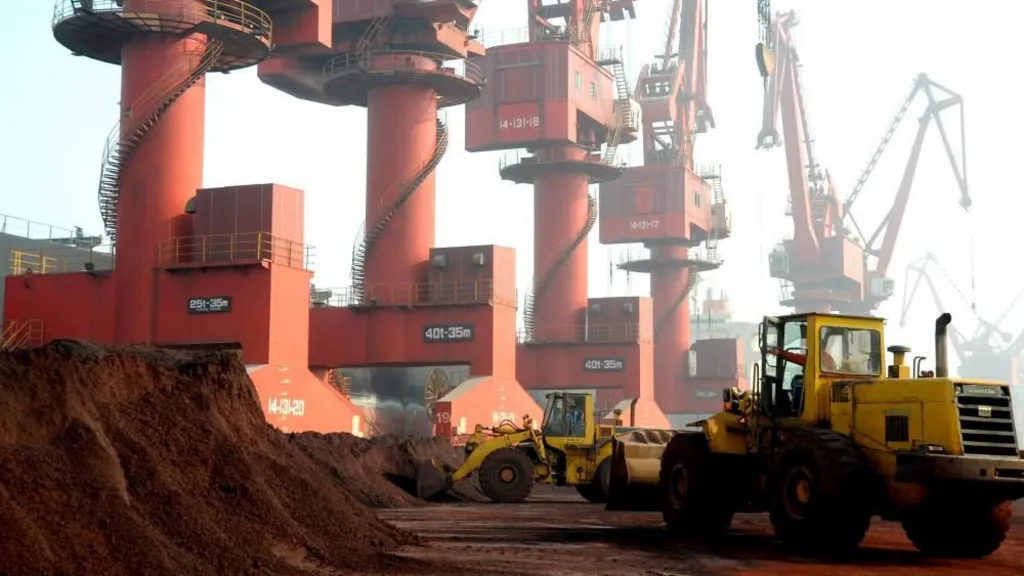
China has identified a major vulnerability in Donald Trump’s trade strategy — rare earth minerals.
Last week, the Chinese Ministry of Commerce issued a statement known as “Announcement No. 62 of 2025.” What appeared to be a routine government update quickly sent shockwaves through the delicate tariff truce between Beijing and Washington.
The document introduced strict new limits on China’s rare earth exports, reinforcing the nation’s control over these critical minerals and reminding the U.S. just how much power China holds in the ongoing trade tensions.
China dominates global rare earth processing — materials that are vital for manufacturing everything from smartphones and electric vehicles to advanced weaponry.
Under the updated regulations, foreign companies must now secure Chinese government approval before exporting any products containing even minimal amounts of rare earths. They are also required to disclose how these materials will be used.
In retaliation, U.S. President Donald Trump threatened to double tariffs on Chinese imports and restrict access to essential American software.
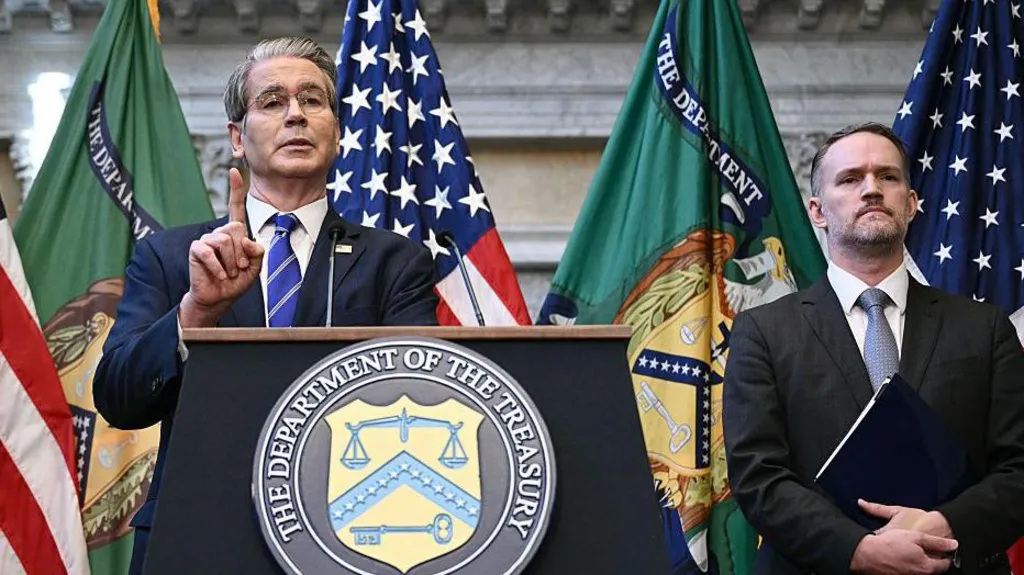
“This is no longer just a U.S.–China issue — it’s China versus the world,” said U.S. Treasury Secretary Scott Bessent. “They’ve taken aim at global supply chains and the industrial foundation of the free world — and we won’t stand for it.”
Beijing responded, accusing Washington of intentionally creating “unnecessary panic and misunderstanding” over the export restrictions.
A spokesperson for China’s Commerce Ministry clarified, “If export license applications meet regulations and are intended for civilian purposes, they will be approved.”
Adding further strain, both nations imposed new port fees on each other’s shipping vessels this week — effectively ending a brief period of calm that followed a trade truce agreed upon in May.
Later this month, Trump and Chinese President Xi Jinping are expected to meet, but experts say the new rare earth policy gives Beijing the upper hand in negotiations.
Dr. Naoise McDonagh, an international business lecturer at Edith Cowan University, said the new controls will “shock the system” by targeting weak points in U.S. supply chains. “The timing disrupts the negotiation schedule the Americans were hoping for,” he added.
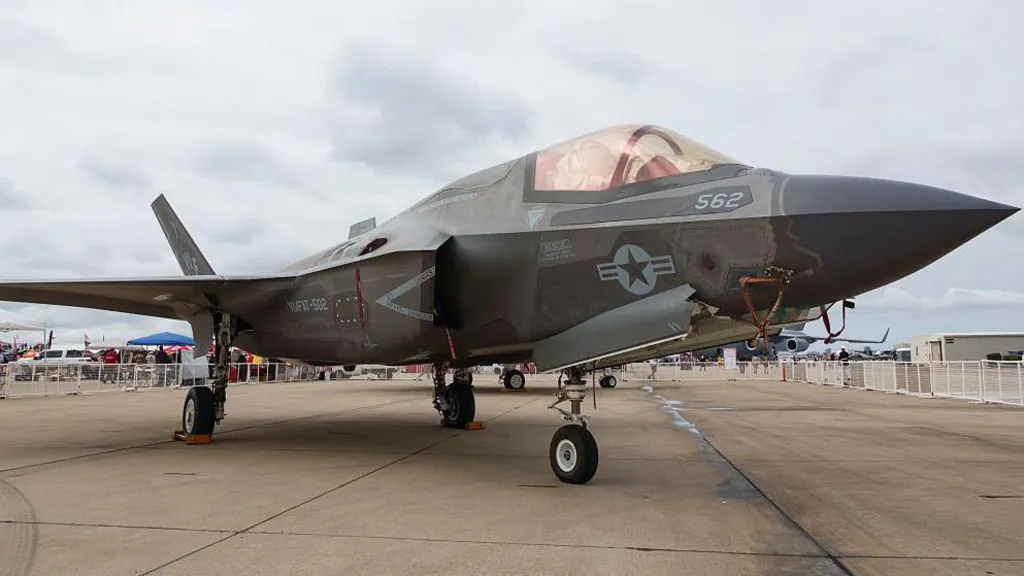
Rare Earths: The Core of Modern Technology
Rare earth elements are indispensable to the production of renewable energy systems, electric vehicles, and advanced military technologies.
For instance, a single F-35 fighter jet requires more than 400 kilograms (around 882 pounds) of rare earths for its stealth coating, radar systems, and motors.
According to Natasha Jha Bhaskar of Newland Global Group, China currently supplies around 70% of the world’s rare earth metals used in EV motor magnets.
Dr. Marina Zhang from the University of Technology Sydney noted that Beijing’s dominance is the result of decades of strategic investment. “China has built an extensive talent network and advanced R&D ecosystem, leaving other nations far behind,” she said.
While countries such as the U.S. and Australia are working to reduce their dependence on China, progress has been slow.
Australia, despite having significant rare earth reserves, lacks sufficient processing infrastructure — making its production costlier than China’s. “Even if the U.S. and its allies turn rare earth processing into a national mission, it could take at least five years to reach China’s level,” Zhang added.
China’s Economic Leverage
The new export restrictions build upon earlier measures introduced in April, which triggered a temporary global shortage before being eased through negotiations with Europe and the U.S.
Official Chinese data shows rare earth exports in September dropped by over 30% year-on-year.
However, experts believe this decline won’t significantly affect China’s massive $18.7 trillion economy.
“Rare earths contribute less than 0.1% to China’s GDP,” said Professor Sophia Kalantzakos from New York University. “But their strategic importance is enormous — they provide Beijing with critical leverage in its dealings with Washington.”
Despite his harsh rhetoric accusing China of “betrayal,” Treasury Secretary Bessent acknowledged the possibility of dialogue. “I believe China remains open to discussions, and I’m hopeful tensions can be reduced,” he said.
During a meeting with Blackstone CEO Stephen Schwarzman, Chinese Foreign Minister Wang Yi also emphasized the need for diplomacy. “Both sides should communicate effectively, manage differences properly, and promote stable, sustainable relations,” Wang stated on the ministry’s website.
According to Professor Kalantzakos, Beijing’s recent actions are about preparation. “China is aligning its strategies ahead of talks with the U.S.,” she explained.
Ms. Bhaskar added, “By curbing rare earth exports, Beijing has identified its strongest short-term tool to pressure Washington into concessions.”
The U.S. Still Has Strategic Options
Dr. Jiao Yang from Singapore Management University believes that while China currently holds the advantage, the U.S. still has options.
“Washington could offer tariff reductions, which would appeal to Beijing since the trade conflict has severely impacted its manufacturing sector,” she noted.
Recent figures reveal that China’s exports to the U.S. have fallen by 27% compared to last year.
Alternatively, the U.S. might escalate restrictions to hinder China’s technological progress. The Biden administration has already targeted China’s semiconductor ambitions by blocking access to Nvidia’s most advanced chips.
However, analysts say these steps can only slow China, not stop it.
“Measures against China’s tech sector might delay progress, but they won’t paralyze it,” said Dr. McDonagh. “China has shown it’s willing to endure short-term economic pain to secure long-term strategic goals.”
He added, “While China can continue operating under tougher U.S. export controls — if it cuts off rare earth supplies, that could bring global industries to a standstill. That’s the real game-changer.”

