



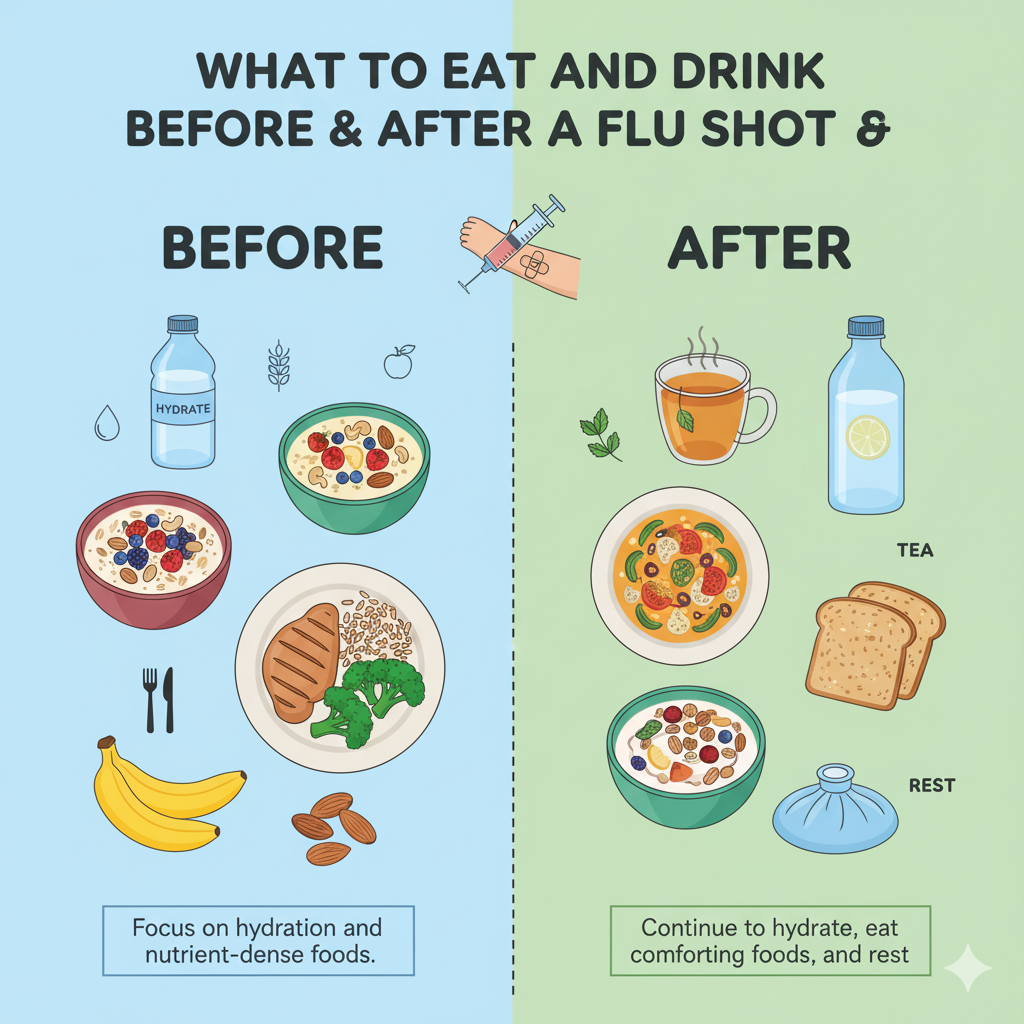
Getting your annual flu shot is an essential part of maintaining overall health. However, many people worry about mild side effects such as a slight fever or dizziness during vaccination. To help minimize these effects, experts share insights on what foods and drinks can best prepare your body before and after a flu shot.
Health authorities worldwide — including the Centers for Disease Control and Prevention (CDC) — emphasize the importance of getting vaccinated each year, typically in the fall or winter. The flu vaccine helps prevent infection from influenza and protects against serious complications.
While the flu shot is both safe and effective, minor side effects like headache, muscle pain, nausea, or a low-grade fever can occur. These temporary symptoms indicate that your immune system is responding to the vaccine.
Some individuals also experience lightheadedness or fainting, often caused by needle anxiety rather than the vaccine itself. Fortunately, proper hydration and nutrition can help your body handle the shot smoothly.
To better understand what to eat and drink before and after vaccination, Medical News Today spoke with three experts:
- Michelle Routhenstein, MS, RD, CDCES, CDN — Preventive Cardiology Dietitian at EntirelyNourished
- Elena Rolt, MSc, DipION, IFMCP, rCNHC — Nutritional Therapist at Health.Miro
- Şebnem Ünlüişler, MSc — Genetic Engineer and Chief Longevity Officer at the London Regenerative Institute
What to Eat and Drink Before a Flu Shot
If you’re prone to dizziness or fainting during vaccination, hydration and light, balanced meals are key.
Routhenstein advises, “To help prevent dizziness or lightheadedness, stay well-hydrated and eat a light, balanced snack before your flu shot.”
Ünlüişler adds that nutrition can help the body’s immune system respond effectively. While diet doesn’t change the vaccine’s effectiveness, eating the right foods can make the experience smoother and reduce discomfort.
She emphasizes stabilizing blood sugar levels before getting vaccinated — especially for those anxious about needles — and recommends a protein- and complex-carb snack such as yogurt with oats or whole-grain toast.
“Even mild dehydration can increase dizziness,” she notes. “Drinking water or an electrolyte-rich beverage beforehand is a simple and effective preventive measure.”
What to Eat After a Flu Shot — and Why
After vaccination, focus on nutrient-rich, balanced meals that help your immune system recover.
Rolt explains, “After receiving a flu shot, your body’s immune system activates an inflammatory response to process the vaccine and form protective antibodies. This can cause temporary oxidative stress and inflammation.”
To counter this, she suggests meals that support recovery and reduce inflammation, such as chicken broth with garlic, onions, carrots, bok choy or broccoli, and mushrooms (rich in beta-glucans). Pair it with berry-based drinks like cranberry or sea buckthorn tea with manuka honey for added antioxidants and vitamin C.
“This combination helps strengthen the immune system, minimizes side effects, and supports a faster recovery,” Rolt says.
Ünlüişler also recommends adding turmeric and omega-3-rich fish to your diet for their anti-inflammatory benefits, along with plenty of protein sources like legumes, tofu, or lean meats to promote antibody production.
The Importance of Hydration After the Flu Shot
Staying hydrated after vaccination is equally crucial.
“Hydration improves blood circulation, which ensures nutrients and immune cells are efficiently delivered throughout the body,” Rolt explains.
Proper hydration may also ease post-vaccine headaches, fatigue, and muscle soreness. Ünlüişler suggests drinking water, herbal teas, or broths to regulate body temperature and alleviate mild symptoms.
Maintaining a Healthy Diet During Flu Season
Routhenstein highlights that consistent healthy eating throughout flu season boosts immune resilience.
“Even with vaccination, maintaining a nutrient-dense, anti-inflammatory diet is vital,” she says.
She recommends foods rich in polyphenols, zinc, selenium, and vitamins A, C, and E, which help strengthen immunity and enhance antibody production.
A wholesome diet complements vaccination, reducing infection risk and supporting faster recovery if illness occurs.
Fainting and Vaccination: What to Know
Some people — especially teens — may experience fainting, nausea, or dizziness after vaccination. While alarming, this reaction is typically linked to immunization anxiety, not the vaccine itself.
Symptoms such as blackouts, ringing in the ears, or hyperventilation are temporary and harmless. The CDC found that fainting episodes following the Johnson & Johnson COVID-19 vaccine were anxiety-related, not allergic reactions.
The World Health Organization (WHO) refers to these reactions as “immunization stress-related responses.” They typically occur within 15 minutes of vaccination, most often among school-age children and adolescents.
Managing Anxiety-Related Reactions
WHO recommends organizing vaccination sites to minimize stress — providing clear information, avoiding overcrowding, and ensuring proper ventilation.
Individuals can also prepare by:
- Taking deep breaths
- Hydrating and eating a small snack before vaccination
- Distracting themselves with conversation, music, or games
If fainting occurs, lying down until recovery is the best course of action. Though unsettling, such reactions are short-lived and harmless.
Tips for Parents and Caregivers
Dr. Audrey Amos, Pharm.D., from Healthline Media’s Medical Affairs Team, advises parents to discuss their child’s fears openly before the appointment.
She recommends:
- Wearing loose, comfortable clothing for easy access to the injection site
- Drinking at least 500 ml of water 30 minutes before vaccination
- Eating a salty snack like pretzels or crackers to help reduce the risk of fainting
If a child experiences severe needle anxiety, parents can consult their pediatrician about possible one-time anxiety medication.
During the appointment, each child may need different coping strategies — listening to music, watching a video, or squeezing a stress ball.
Amos emphasizes preparing children who’ve fainted before:
“If a child previously fainted and didn’t understand why, that memory can heighten their anxiety next time. It’s crucial to discuss what happened and reassure them beforehand.”
✅ In summary:
- Before your flu shot: Stay hydrated and eat a light, balanced meal with complex carbs and protein.
- After your flu shot: Eat nutrient-rich, anti-inflammatory foods and keep hydrated.
- During flu season: Maintain a healthy, immune-supportive diet.
- For anxiety or fainting: Breathe deeply, stay calm, and prepare mentally and physically.

